 Have any question?
 Have any question?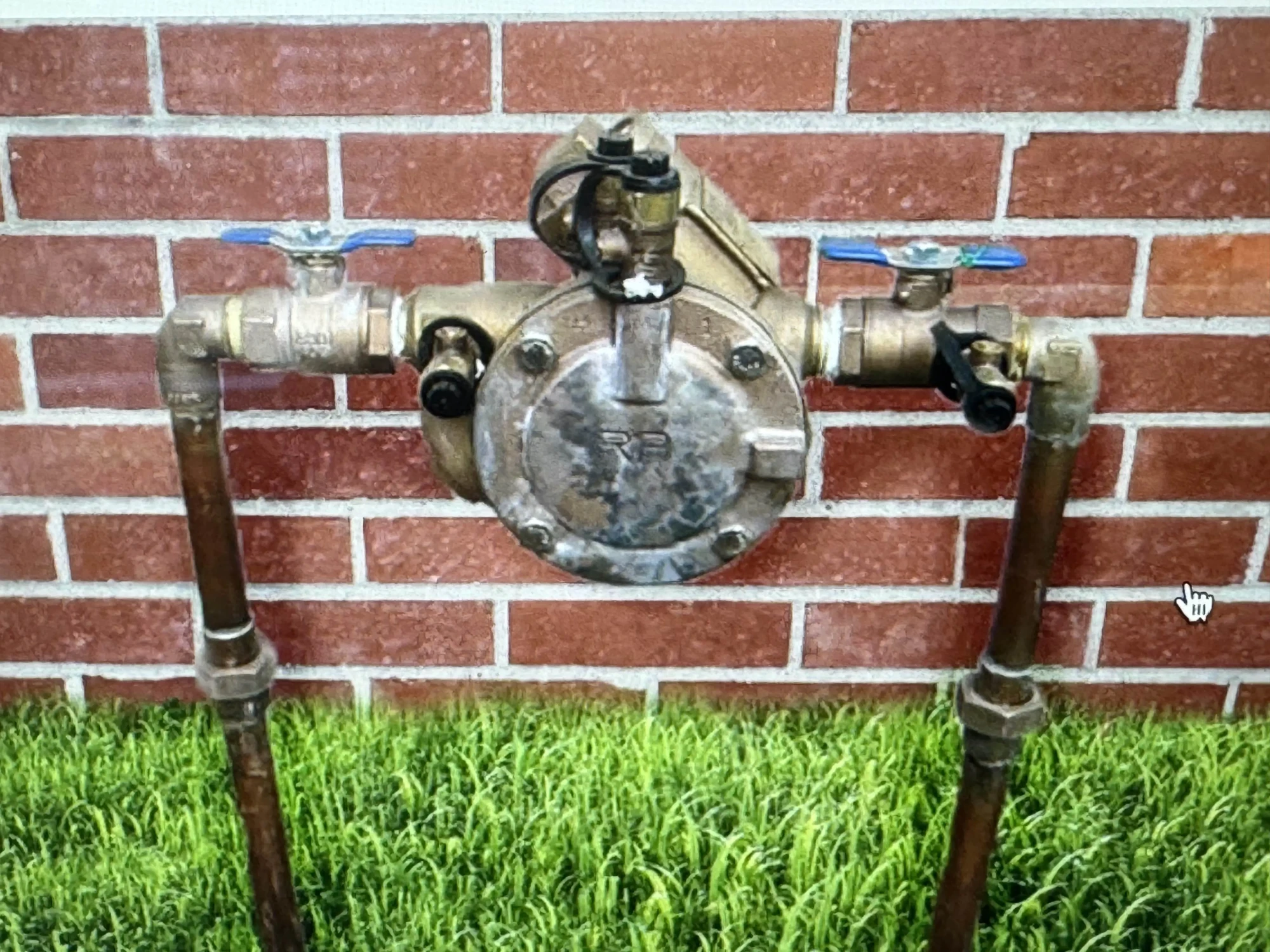
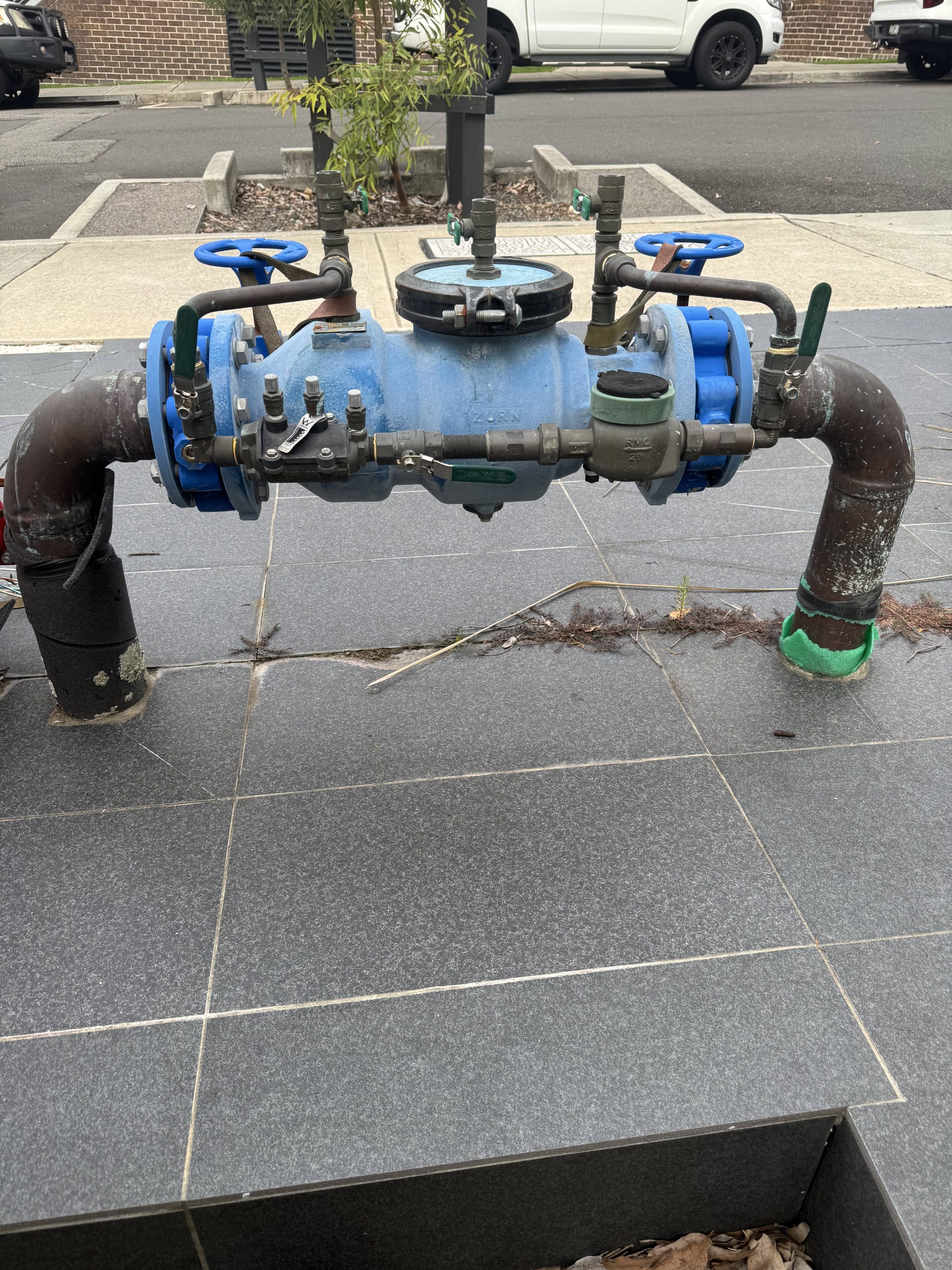
As residents of a lovely city like Sydney, we are fortunate enough to get clean, fresh drinking water from the tap. But did you know that your tap water supply can become contaminated without proper protection? Here is the role of Backflow Prevention in Sydney. Backflow means the flow of tap water in the opposite direction. Water should flow from the main supply line and into your property. However, sometimes, due to a blockage in the main line, water can flow in reverse and back into the public main water supply. Along with this backflow, harmful things can also come back, such as chemicals, pesticides, human waste, or dirty water from sinks and toilets. Without the proper backflow protection, you put your health and the health of your neighbours at risk. Regardless of whether you have a house, a business, or manage a property, installing a Backflow Prevention device is not just a smart thing to do – it is a requirement in most municipalities. In this article below, you will find information on Backflow, the dangers, and know that Backflow Prevention in Sydney is not something that any property owner should ignore.
Why is Backflow Dangerous?
Backflow can be a serious health hazard. Think about a lawn sprinkler, swimming pool, or industrial facility purifying contaminated water into safe drinking water. These types of scenarios can happen without proper backflow prevention.
Some examples are as follows:
- Lawn irrigation systems: Fertilizers and chemicals can be pulled back into your water pipes.
- Toilets and sinks: Wastewater can go back into sanitary lines during a pressure change.
- Factories and commercial buildings: Hazardous chemicals could be backed up into public drinking water.
How to Prevent Backflow of Water
Water is something we all use every day for drinking, cooking, cleaning, and washing. In Sydney, we are lucky to have clean water flowing straight to our homes. But did you know that sometimes water can flow the wrong way? This is called backflow, and it can cause dirty or harmful water to mix with clean water. Here are a few simple actions to stop backflow from ever happening and help protect your water supply:
1. Install a Backflow Prevention Device
This is the best method of preventing backflow. These devices are located on your plumbing and are similar to a one-way door. Water can go in, but it cannot come back out. A licensed plumber will determine which device is best suitable given your property’s situation.
2. Test Your Backflow Prevention Device Every Year
In Sydney, if your property has a backflow prevention device, it must be tested once every 12 months. This test can only be carried out by a certified plumber who holds valid backflow accreditation. The plumber will check that the device is working properly and will then submit the test report to Sydney Water. This is a very important part of Backflow Prevention in Sydney.
3. Do Not Directly Connect Rainwater to Mains Water
If you have a rainwater tank, do not directly connect it to mains water unless you have the required backflow prevention device. The backflow prevention device needs to prevent tank water, with all its contaminants, from mixing with mains water.
4. Use Approved Plumbing Fittings
Utilise approved and safe fittings connected to garden hose supply lines, irrigation systems, and swimming pools. Always install backflow prevention devices on anything that could potentially allow contaminated water to flow back.
5. Speak with a Licensed Plumber
Always get advice from a qualified plumber regarding your Backflow Prevention options in Sydney. There are too many situations that could lead to an inappropriate backflow device.
Who Needs Backflow Prevention?
It’s very easy for you to think that backflow prevention is only for commercial purposes; however, a number of residential properties in Sydney need backflow prevention too. Here’s a list of properties that need it most:
- Houses with swimming pools or spas
- Buildings with fire hose reels or hydrants
- Property with irrigation or chemical systems
- Commercial kitchens, carwashes, laundromats
- Houses with rainwater tanks connected to mains water
If you are in any of these categories, Backflow Prevention in Sydney should be on your priority list.
Benefits of Backflow Prevention
Let us have a look at why installing a backflow device is such a smart decision:
1. Protects Health- Prevents contaminated water from entering your drinking supply. Simple as that.
3. Prevents Expensive Damage- Contamination clean-up is costly. Backflow prevention saves you money in the long run.
4. Peace of Mind- You can use water peacefully knowing your water is safe for your family, tenants, or customers.
5. Protect the Community- It’s not just your water at risk; backflow can affect the entire neighbourhood.
This is why Backflow Prevention in Sydney is a must-have, not just a nice-to-have.
Regular Testing and Maintenance
After the installation of a backflow prevention device, there are many other things to do. These devices need annual testing by a qualified plumber. This ensures the device is still doing its job properly and keeps you compliant with Sydney Water requirements. Over time, parts can wear out or get blocked, especially if you are in a high-risk environment. Therefore, you must have your device inspected regularly.
Help With Backflow Prevention
Need professional help with Backflow Prevention in Sydney? Trust the experts at Sydney Prestige Plumbing. We are licensed, reliable, and experienced with all types of properties from residential to commercial. Contact Sydney Prestige Plumbing today for a backflow inspection, installation, or annual testing. Let us keep your water safe and your property compliant.
FAQs
Why is Backflow Prevention in Sydney necessary?
Backflow Prevention safeguards clean potable drinking water by preventing contamination from hazardous chemicals, waste, and dirty water. You also must comply with your local laws.
How often should backflow devices be tested?
Backflow prevention devices must be tested once every 12 months by a licensed plumber.
How do I know if I need backflow prevention for my property?
If you have an irrigation system, rainwater tanks, swimming pools, or are operating a business, there is a good chance that you will need backflow prevention. Speak to a licensed plumber who will tell you either way.
Can I install a backflow prevention device?
No. Only licensed and certified plumbers can install and test backflow devices in Sydney.
What are the types of backflow prevention devices?
Many backflow prevention devices can be used, most commonly Atmospheric Vacuum Breakers, Double Check Valves, and Reduced Pressure Zone devices. The requirement for a backflow prevention device will depend on the risk of contamination on your property.
Recent Blogs
Related Blogs
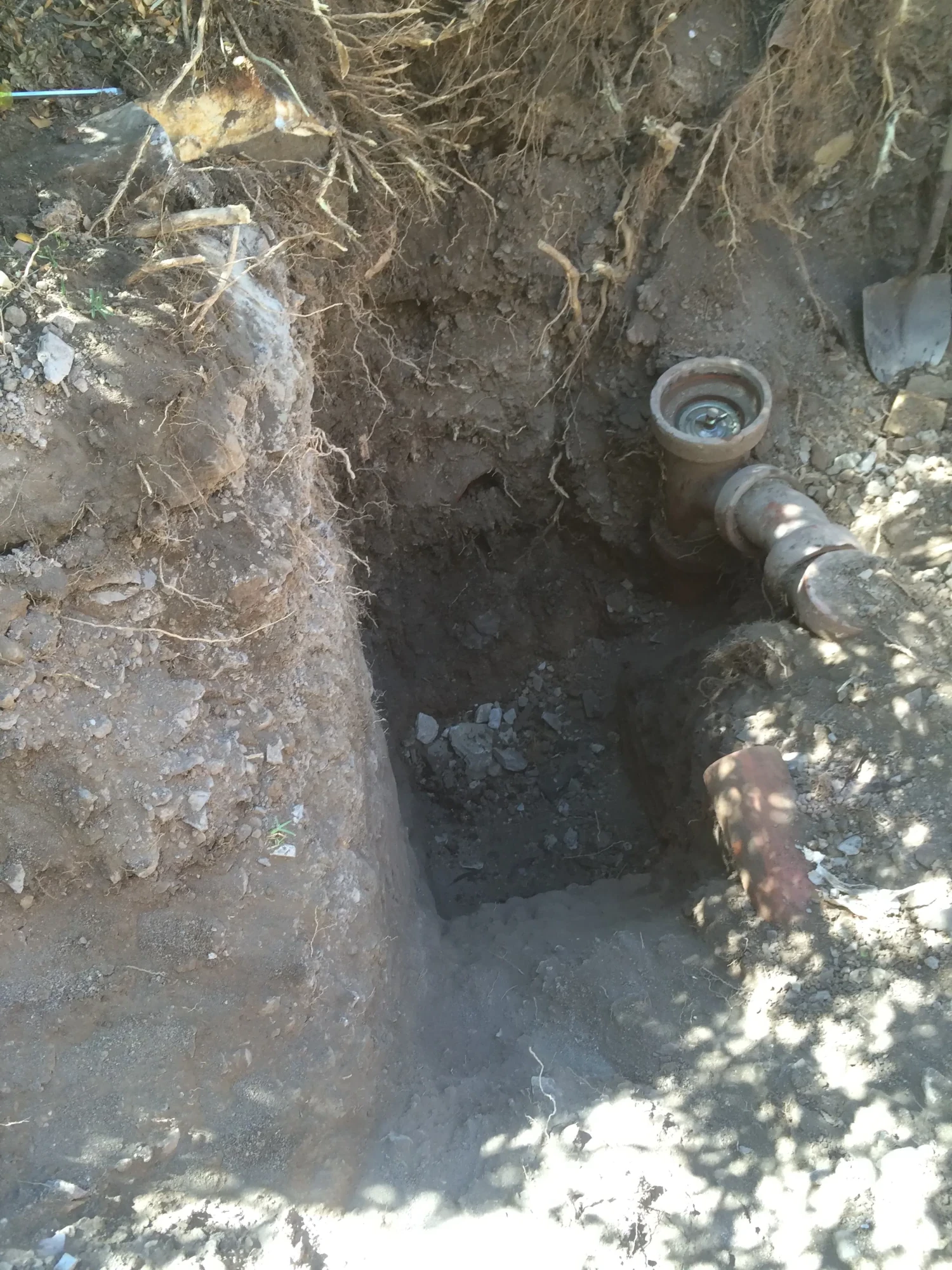
Reasons for a Main Sewer Blockage and How to Fix It
Dealing with a Sewer Blockage is like a worst nightmare for every homeowner. It is…
Read More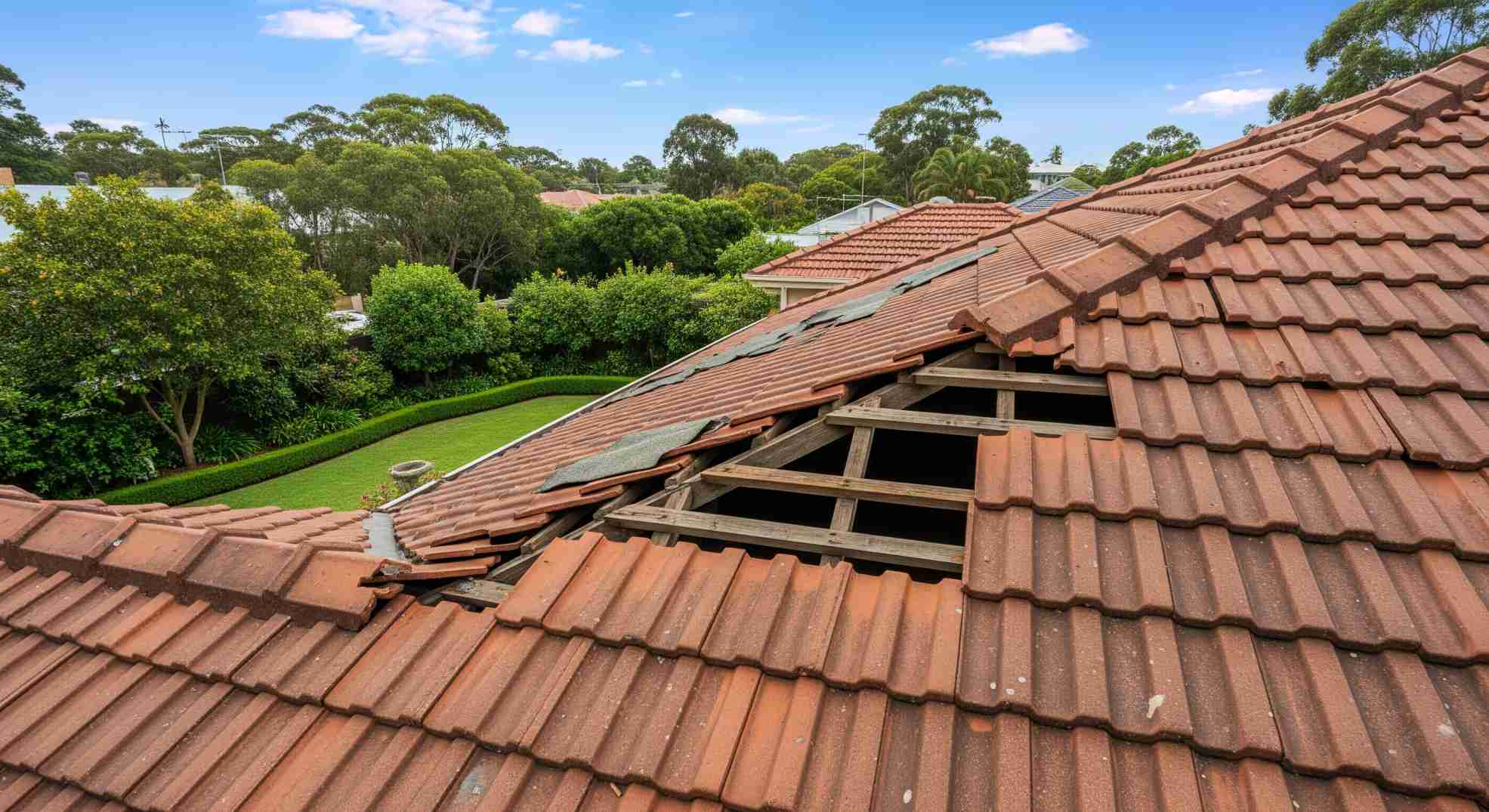
Top 7 Signs You Need Roof Repairs in Eastern Suburbs Sydney
Your roof, as you know, is one of the most important parts of your home….
Read More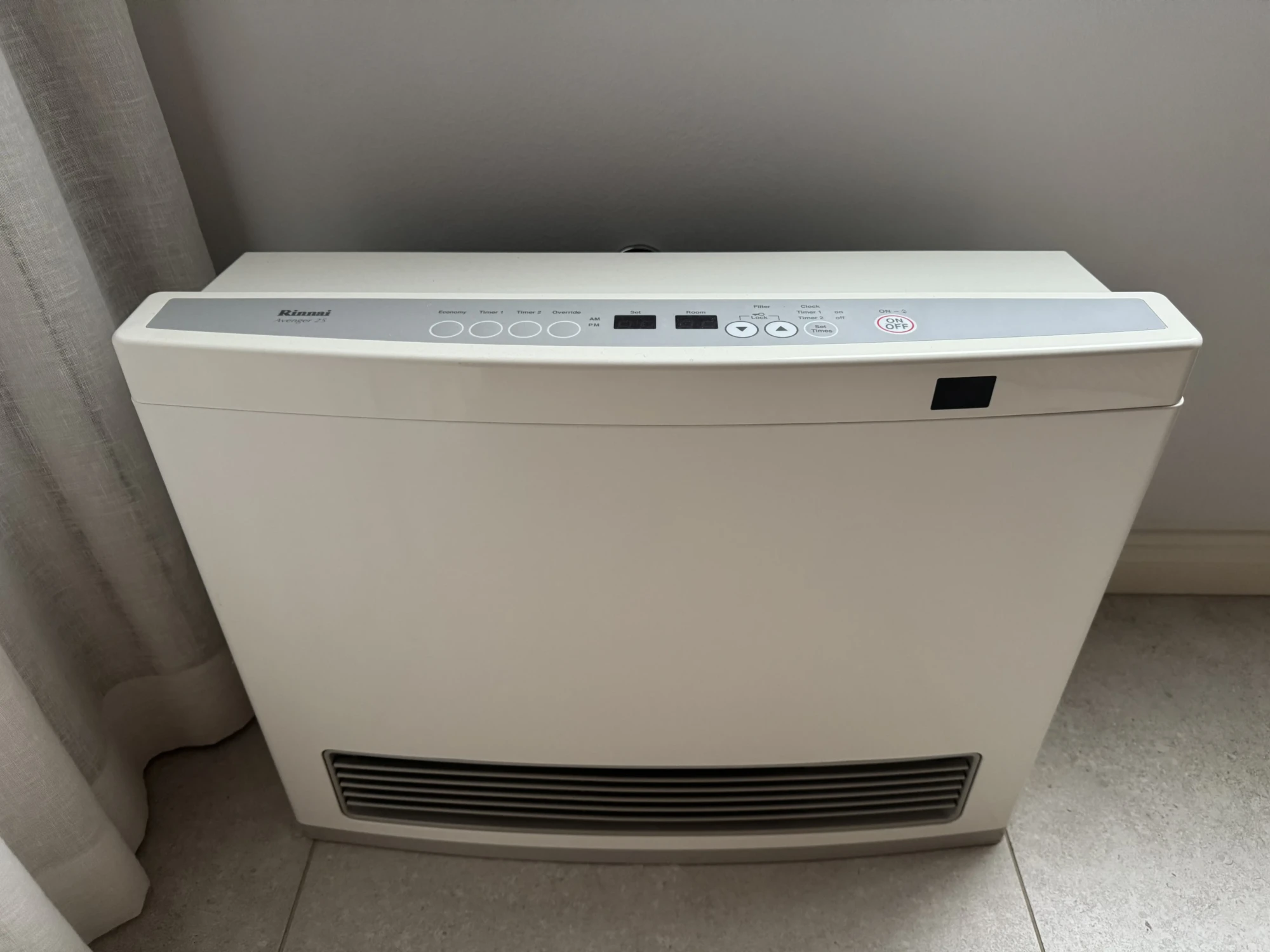
Common Gas Appliance Issues and How Sydney Experts Fix Them
When your gas appliances act up, it’s not just inconvenient; it can be downright frustrating….
Read More