 Have any question?
 Have any question?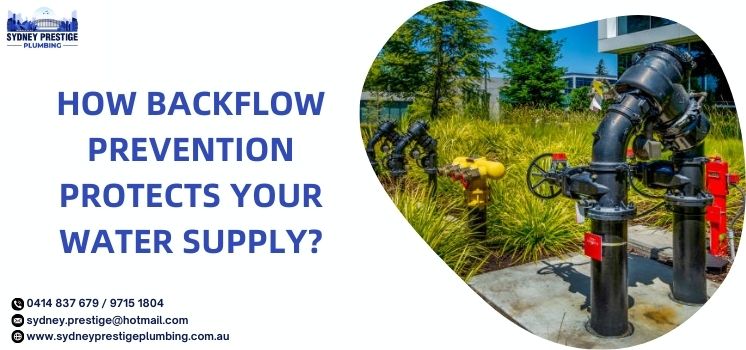
When you turn on the tap in your washroom or basin, you expect clean, safe water to flow out. But did you know that without the right water protection, contaminants can sometimes enter the water supply? This is where Backflow Prevention in Sydney plays the role. Backflow happens when water flows the wrong way through your pipes, potentially carrying chemicals, bacteria, or other dangerous substances back into the drinking supply. To keep your water consumption and the wider community safe, backflow prevention devices are placed in many Sydney properties. In this blog, we will explain what backflow is, why prevention is important, how devices work, and what you need to do to stay compliant with Sydney Water regulations.
What Does Backflow Mean?
Backflow occurs when the normal direction of water changes due to a sudden drop in pressure or a pressure difference in the system. This change in pressure can force dirty or unsafe water into the clean system. Without Backflow Prevention in Sydney, the entire network could be at risk. For example:
- If there is a damaged water main near your property.
- If a fire hydrant is used nearby.
- If high-pressure equipment pushes water back into the supply line.
Why is Backflow Prevention Important?
The primary reason is health and safety. When water is contaminated, it travels quickly through plumbing systems and can impact your house, and your neighbours, and then the community and even the environment, etc. That is why Sydney Water requires properties to install backflow prevention devices, and the right service to maintain them. Backflow can introduce:
- Chemicals from industrial sites.
- Fertilisers and pesticides from irrigation systems.
- Oils, grease, or cleaning solutions from commercial kitchens.
- Bacteria from unclean water sources.
Who Needs Backflow Prevention in Sydney?
Not every home needs a backflow prevention device. If you are unsure whether your property needs backflow protection, a licensed plumber can assess your situation and advise. Typically, Backflow Prevention in Sydney is required for properties where the water supply could be at risk. Examples include:
- Cafes, restaurants, and commercial kitchens.
- Medical centres, dental clinics, and hospitals.
- Factories, workshops, or industrial sites.
- Properties with irrigation or large sprinkler systems.
- Multi-storey buildings with complex plumbing.
How Do Backflow Prevention Devices Work?
Backflow prevention devices are fitted to your plumbing system where there is a risk of contamination. Installing the right device is essential, but it is just as important to have it tested and maintained annually by a licensed plumber. These devices ensure water only flows one way into your property, not out. Common types of devices include:
- Non-return valves that consist of simple valves to let water flow one way.
- Double check valves used for medium-risk sites.
- Reduced pressure zone devices used for high-risk properties like hospitals and chemical plants.
Legal Requirements for Backflow Prevention in Sydney:
You cannot install a blackflow prevention device anytime you want. It requires some legal requirements and failure to comply with these requirements can lead to penalties and, more importantly, can put public health at risk. Sydney Water regulations state that:
- All properties with a risk of backflow must have an approved device.
- Devices must be installed by a licensed plumber with backflow accreditation.
- Annual testing is required, and results must be submitted to Sydney Water.
Benefits of Backflow Prevention:
Water is something we use every day for drinking, cooking, cleaning, and bathing. Knowing that your water supply is properly protected with a backflow prevention system gives you peace. You do not have to worry about unexpected contamination or health risks. Instead, you can relax and enjoy safe, clean water whenever you need it. Here are some benefits of backflow prevention.
1. Protects Your Family and the Community from Contaminated Water
The most important benefit of backflow prevention is safety. Without a proper device, dirty or contaminated water can flow back into your taps. This could include chemicals, bacteria, or waste materials that are dangerous to your health. Installing a device ensures your drinking water stays clean and safe, not just for your household, but also for your neighbours and the Sydney community.
2. Keeps You Compliant with Sydney Water Regulations
Sydney Water has strict rules about Backflow Prevention in Sydney, especially for properties considered medium or high risk. Having the right device installed and tested every year keeps you compliant with these regulations. This means you avoid penalties, legal issues, or disconnection notices while also proving that you are doing your part to protect public health.
3. Prevents Unsafe Water From Entering Appliances and Pipes
When contaminated water enters your plumbing system, it can cause serious damage to appliances like dishwashers, washing machines, and hot water systems. Over time, this can lead to expensive repairs or replacements. By ensuring that water only flows one way, a backflow prevention device protects your appliances and plumbing system, saving you money in the long run.
Choosing the Right Plumber for Backflow Prevention in Sydney:
We all need safe water on a daily basis. Backflow Prevention in Sydney is not just a legal requirement, it is a protection for your health, your community, and your mental wellbeing. When it comes to installing and maintaining backflow devices, experience matters. A licensed plumber with backflow accreditation can:
- Assess your property for risks.
- Recommend the right device.
- Install and test the system properly.
- Handle all compliance paperwork with Sydney Water.
Install/ Maintain Backflow Prevention Device With Us
If you are looking for advice, installation, or testing for Backflow Prevention in Sydney, reach out to Sydney Prestige Plumbing. Our licensed plumbers are accredited and experienced, and committed to protecting your safe water supply. Call Sydney Prestige Plumbing today and schedule your backflow prevention service.
FAQs:
What is backflow and why is it dangerous?
Backflow is when water flows backwards into the clean supply, potentially carrying contaminants. It’s dangerous because it can pollute drinking water.
Do all homes in Sydney need backflow prevention devices?
No, only properties considered at risk, such as businesses, hospitals, or those with irrigation systems.
What types of properties are considered high risk?
Public properties like medical centres, industrial sites, multi-storey buildings, and commercial kitchens are common examples.
Can backflow prevention devices fail?
Yes, it can often fail which is why annual testing and maintenance are mandatory.
What type of backflow prevention device do I need?
It depends on your risk level like low, medium, or high. A plumber will inspect and recommend the correct device.
Recent Blogs